
The Complete Madison Condo Buying & Refinancing Guide
Everything you need to know about condo loans, HOA requirements, insurance, financing & refinancing a condominium in Madison and Wisconsin.
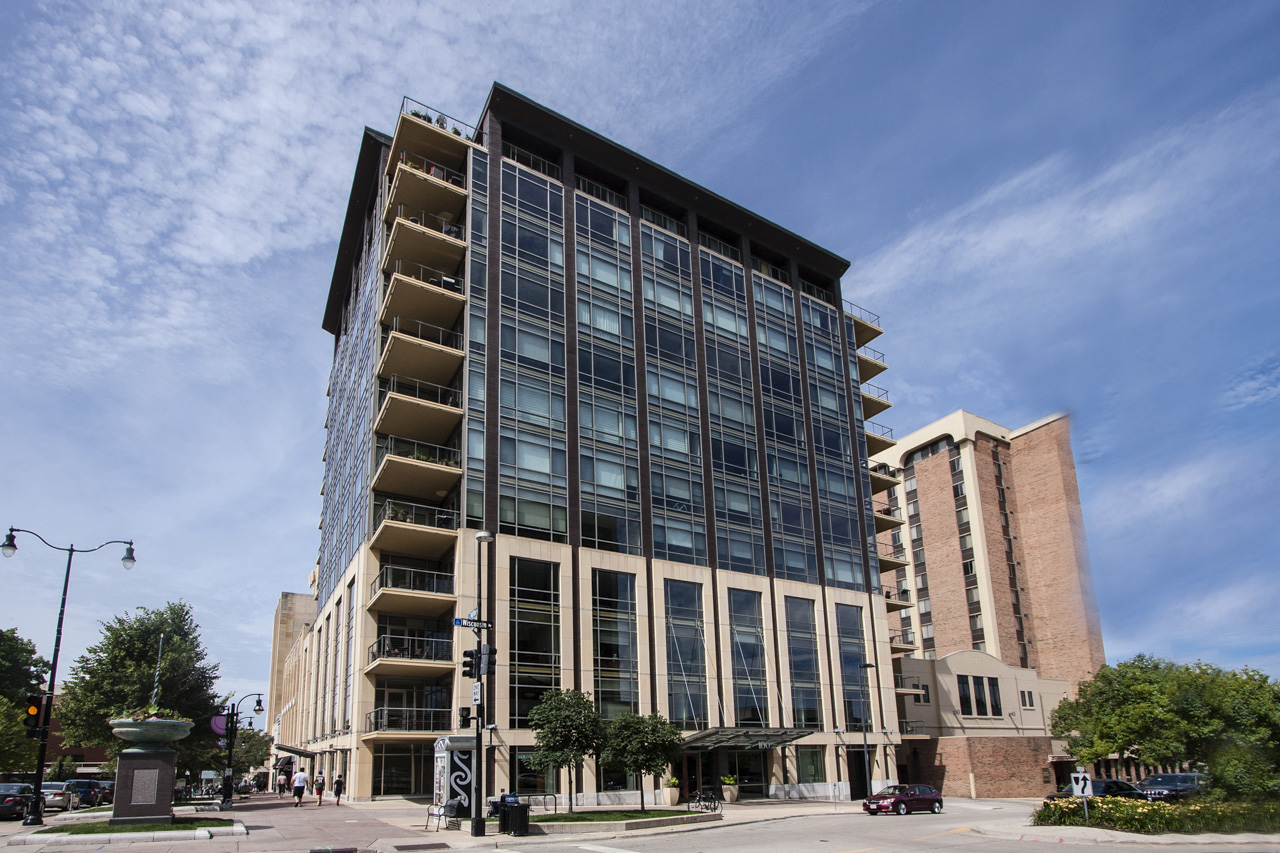
Buying a condo in Madison is an incredible way to build equity, enjoy a low-maintenance lifestyle, and live in some of the most desirable neighborhoods in Dane County. However, condominium financing is fundamentally different from financing a single-family home. When you buy a condo, you are not just buying the four walls you live in—you are buying into a shared community. Because of this, mortgage lenders must evaluate both you (the borrower) and the financial health of the condominium association (the HOA) before approving your loan.
Whether you are a first-time homebuyer looking at a high-rise downtown, a downsizer seeking a quiet suburban community, or an investor hoping to expand your portfolio, this guide will walk you through everything you need to know about [Madison Condo Loans](/apply-now), HOA requirements, specialized insurance, and the complete financing and refinancing process.
Table of Contents
- Chapter 1: Why Condo Financing Is Different
- Chapter 2: Condo vs. Townhome vs. Single-Family Home
- Chapter 3: Understanding Condo Associations (HOAs)
- Chapter 4: How Lenders Evaluate a Condo Association
- Chapter 5: Warrantable vs. Non-Warrantable Condos
- Chapter 6: FHA and VA Condo Financing
- Chapter 7: Condo Insurance Explained (HO-6)
- Chapter 8: Special Assessments
- Chapter 9: Buying a Condo: The Complete Process
- Chapter 10: Refinancing a Condo
- Chapter 11: Common Reasons Condo Loans Get Denied
- Chapter 12: Questions Every Condo Buyer Should Ask
- Chapter 13: Frequently Asked Questions (FAQs)
- Final Chapter: Why Work with MadCity Home Loans
Chapter 1: Why Condo Financing Is Different
If you've previously purchased a single-family home, you might be surprised to learn that securing a [condo mortgage](/conventional-loans) involves an entirely different layer of underwriting. When purchasing a detached house, the lender is primarily concerned with three things: your credit history, your income-to-debt ratio, and the appraised value of the property.
With a condominium, the lender is introducing a fourth, equally critical variable: the financial and legal health of the Homeowners Association (HOA).
Because you share structural elements (roofs, foundations, siding) and common areas (hallways, parking garages, elevators) with other owners, the lender recognizes that the failure of the HOA to properly maintain the building could destroy the value of your individual unit. If the association goes bankrupt, fails to carry proper master insurance, or faces a multi-million-dollar lawsuit, the lender's collateral is directly threatened.
For this reason, lenders require a specialized "condo questionnaire" to be completed by the property management company or HOA board before they will issue a clear to close. This process requires a mortgage advisor who actually understands condominium lending requirements. Working with an inexperienced call-center lender who doesn't understand Wisconsin condo laws can lead to heartbreaking loan denials days before closing. A local expert, like Rob Miller at MadCity Home Loans, knows exactly what landmines to look for before you even write an offer.
Chapter 2: Condo vs. Townhome vs. Single-Family Home
Before diving deep into the financing weeds, it is crucial to understand exactly what you are purchasing. The legal definition of your property dictates the type of loan you need, the insurance you must carry, and the monthly expenses you should budget for.
Single-Family Home
You own the physical structure and the land it sits on. You are solely responsible for all maintenance, repairs, landscaping, and snow removal. If the roof leaks, you pay for it. The financing process is straightforward because the lender only needs to evaluate you and the standalone property.
Condominium
You own the airspace within the interior walls of your unit. You do not own the land underneath the building, nor do you own the exterior structure (roof, siding, hallways). These are called "Common Elements" and are owned jointly by all unit owners. You pay a monthly HOA fee to cover the maintenance of these shared spaces, master insurance, and common utilities. Because your property's integrity relies on the association, condo financing requires a rigorous review of the HOA's budget.
Townhome
Townhomes can be tricky because "townhome" is an architectural style, not necessarily a legal ownership type. A townhome can be legally platted as a single-family attached home (where you own the land underneath your unit) or as a condominium (where you only own the interior airspace). If a townhome is legally classified as a condo, you will have to go through the condo financing process. Your real estate agent and lender can verify the property's legal description by pulling the tax records or title work.
| Feature | Condo | Single-Family |
|---|---|---|
| Ownership | Interior airspace only | Structure + Land |
| Exterior Maintenance | Handled by HOA | Handled by Owner |
| Insurance Needs | HO-6 ("Walls-in") Policy | HO-3 (Standard Homeowners) |
| Lender Review | Borrower + HOA Financials | Borrower Only |
Chapter 3: Understanding Condo Associations (HOAs)
When you buy a condo, you automatically become a member of the Homeowners Association. The HOA is governed by a board of directors (usually elected fellow residents) or managed by a professional property management company.
The HOA is responsible for enforcing the community's bylaws and rules, managing the budget, and maintaining the common elements. To fund these operations, the association collects monthly, quarterly, or annual dues from every unit owner.
What Do HOA Dues Cover?
Depending on the specific condominium project in Madison, your monthly dues typically cover:
- Master Insurance Policy: Coverage for the physical structure of the buildings and liability for common areas.
- Exterior Maintenance: Roof repairs, siding replacement, and painting.
- Groundskeeping: Lawn care, landscaping, and snow removal (a major perk during Wisconsin winters).
- Shared Utilities: Often includes water, sewer, and trash collection, and sometimes basic cable or internet.
- Amenities: Maintenance of swimming pools, fitness centers, clubhouses, or elevators.
- Reserve Fund Contributions: A portion of your dues is set aside in a savings account to pay for future large-scale capital expenditures (like a new roof in 15 years).
The Importance of the Reserve Fund
A well-managed HOA conducts a Reserve Study every few years. This study involves an engineer evaluating the lifespan of every major component in the building (roofs, asphalt, elevators, balconies) and estimating when they will need to be replaced and how much it will cost. The HOA then calculates exactly how much money needs to be saved each month to comfortably afford those repairs when the time comes.
If an HOA has neglected to fund its reserves, they will not have enough cash to pay for a new roof when it starts leaking. When this happens, the HOA is forced to issue a Special Assessment—a mandatory extra bill handed to every owner to cover the shortfall. Lenders heavily scrutinize an HOA's reserve account to protect you (and their investment) from these massive surprise bills.
Chapter 4: How Lenders Evaluate a Condo Association
During the underwriting process, your lender will request a Condominium Questionnaire, the HOA's master insurance policy, and the association's current operating budget. Here is exactly what the underwriter is looking for to determine if the project is a safe investment:
1. Delinquent Dues (The 15% Rule)
If too many owners stop paying their monthly HOA fees, the association will quickly run out of money to pay for insurance, water bills, and maintenance. Lenders generally require that no more than 15% of the units can be more than 60 days past due on their HOA payments.
2. Reserve Funding (The 10% Rule)
Lenders want to see that the HOA is saving for the future. The association's annual operating budget must dedicate at least 10% of its total income toward the reserve account. If the HOA only allocates 5% to reserves, the lender will deny the loan unless a recent reserve study proves that 5% is adequate.
3. Pending Litigation
If the HOA is currently involved in a lawsuit, it can be a massive red flag. If the association is suing the original builder for severe structural defects, or if a resident is suing the HOA for a million-dollar slip-and-fall injury, a judge could force the HOA to pay a massive settlement. Lenders will immediately halt a loan if there is serious pending litigation that threatens the financial stability of the association.
4. Insurance Coverage
The HOA must carry a master insurance policy that covers 100% of the replacement cost of the buildings. They must also carry adequate general liability insurance, fidelity bond coverage (to protect against a board member embezzling funds), and ordinance/law coverage. If the project is in a flood zone, master flood insurance is also strictly required.
5. Investor Concentration & Commercial Space
Lenders prefer owner-occupied buildings because resident-owners tend to take better care of the property than absentee landlords. If a building is dominated by renters, or if a single investor owns a massive chunk of the units, lenders get nervous. Additionally, if the condo building has retail stores or restaurants on the ground floor, lenders will limit how much of the building's total square footage can be dedicated to commercial space (usually capped at 35%).
Chapter 5: Warrantable vs. Non-Warrantable Condos
This is arguably the most important concept in condominium financing. You will frequently hear real estate agents and lenders ask, "Is the building warrantable?"
What is a Warrantable Condo?
A warrantable condo is a condominium project that meets all the lending guidelines established by Fannie Mae and Freddie Mac (the government-sponsored enterprises that buy most mortgages in the US). If a condo is warrantable, you can secure standard [conventional financing](/conventional-loans) with excellent interest rates and low down payment options.
What is a Non-Warrantable Condo?
A non-warrantable condo is a project that fails to meet one or more of Fannie Mae or Freddie Mac's strict guidelines. Because Fannie and Freddie will not buy the mortgage from the lender, the lender is forced to hold the loan on their own books (a portfolio loan) or sell it to specialized private investors.
Common reasons a beautiful Madison condo might be classified as non-warrantable include:
- Condotels: The building operates like a hotel, featuring a front registration desk, daily maid service, and mandatory short-term rental pooling.
- Single-Entity Ownership: A single person, company, or investor owns more than 20% of the units in the project.
- Excessive Commercial Space: More than 35% of the building is used for commercial purposes (like a massive grocery store on the ground floor with a few condos on top).
- Inadequate Reserves: The HOA budget sets aside less than 10% for reserve replacement without a supporting reserve study.
- Active Structural Litigation: The HOA is embroiled in a lawsuit regarding the safety, structural integrity, or habitability of the building.
- High Delinquency: More than 15% of owners are severely behind on their HOA dues.
Can You Finance a Non-Warrantable Condo?
Yes, but it is more difficult and more expensive. You will likely need to find a portfolio lender (often a local bank or credit union, or specialized mortgage broker). Non-warrantable loans typically require a larger down payment (often 20% to 30%), carry slightly higher interest rates, and may be structured as Adjustable Rate Mortgages (ARMs) rather than 30-year fixed loans. If you are looking at a non-warrantable property, you must discuss it with Rob Miller immediately to ensure you have the right financing vehicle in place.
Chapter 6: FHA and VA Condo Financing
While Conventional loans look at Fannie Mae and Freddie Mac guidelines to determine warrantability, government-backed loans have their own unique approval processes.
FHA Condo Approval
The Federal Housing Administration (FHA) is a fantastic option for buyers with lower credit scores or those who want to put down just 3.5%. However, you cannot simply buy any condo with an [FHA loan](/fha-loans). The entire condominium project must be officially FHA Approved and listed on the HUD roster.
Historically, this was a massive hurdle because getting a whole building approved was expensive and tedious for the HOA board. Fortunately, HUD recently reintroduced the Single-Unit Approval (SUA) process. This allows a buyer to get an FHA loan on a specific unit, even if the wider building is not FHA approved, provided the building meets certain baseline financial criteria. The SUA process takes a little longer during underwriting, but it has opened up thousands of Madison condos to FHA buyers.
VA Condo Approval
Similar to the FHA, the Department of Veterans Affairs requires the condominium project to be on their VA Approved list before a veteran can use their zero-down [VA loan](/va-loans). If the condo is not on the list, the lender can submit the HOA's governing documents (declarations, bylaws, budget) to the VA for review. The VA is primarily checking to ensure the HOA bylaws do not restrict the veteran's right to freely sell or transfer the property (known as a "Right of First Refusal"). Getting a new condo approved by the VA can take several weeks, so you must factor this into your closing timeline.
Chapter 7: Condo Insurance Explained (HO-6)
Insurance is one of the most confusing aspects of condo ownership. Because you share a building, your insurance is split into two separate policies: the HOA's master policy and your personal policy.
The Master Policy
The HOA pays for a master insurance policy using a portion of your monthly dues. This policy covers the exterior of the building, the roof, the foundation, elevators, hallways, and liability if a delivery driver slips on the icy sidewalk outside the lobby.
There are generally two types of master policies:
- Bare Walls-In: The master policy covers the building structure up to the dry-wall. It does not cover anything inside your unit—no flooring, no cabinets, no appliances, and no bathroom fixtures.
- All-In (or Single Entity): The master policy covers the building structure AND the original fixtures inside your unit. If the building burns down, the master policy will replace your condo exactly as it was originally built, including the standard cabinets and basic flooring.
Your Personal HO-6 Policy
To protect yourself and satisfy your mortgage lender, you must purchase a personal condominium insurance policy, known as an HO-6 policy. This is what you will pay for out of your own pocket annually.
An HO-6 policy typically covers:
- Dwelling Coverage (Walls-In): If your HOA only has a "bare walls" master policy, you must buy enough dwelling coverage to completely rebuild the interior of your unit (cabinets, countertops, flooring, electrical fixtures) in the event of a total loss. Even if the HOA has an "All-In" policy, you still need dwelling coverage to protect any custom upgrades you've made (like replacing standard carpet with expensive hardwood).
- Personal Property: Covers your furniture, clothing, electronics, and valuables against theft, fire, or damage.
- Personal Liability: Protects you if a guest slips on your wet kitchen floor and decides to sue you for medical bills.
- Loss Assessment Coverage: This is arguably the most critical and overlooked coverage in condo insurance. (See Chapter 8 for details).
Chapter 8: Special Assessments
If you own a condo long enough, you will eventually encounter a special assessment. A special assessment is an unexpected, mandatory bill charged to every unit owner by the HOA when there isn't enough money in the reserve account to cover a major repair.
For example, imagine a 50-unit condo building in Madison discovers that the underground parking garage has severe structural cracking due to years of salt runoff from cars. The engineering firm says it will cost $1,000,000 to fix. If the HOA only has $200,000 in reserves, they are short $800,000. The board votes to issue a special assessment, meaning every one of the 50 owners is suddenly handed a bill for $16,000.
How Loss Assessment Insurance Protects You
If the special assessment is levied because of a covered insurance peril (like a massive hail storm destroying the roof, and the HOA's master policy has a $50,000 deductible that they pass on to the owners), your HO-6 Loss Assessment Coverage can step in and pay your share of the bill. It is highly recommended to max out this coverage (often $50,000 or more), as it usually only costs a few extra dollars a year.
Important Note: Loss assessment coverage does NOT pay for general wear-and-tear assessments. If the roof just dies of old age and needs replacing, your insurance will not pay the special assessment. It only applies to sudden, covered perils.
Financing With an Active Special Assessment
If you are buying a condo that currently has an active special assessment, the lender is going to ask strict questions. Who is paying it off? If the seller is paying it off at closing, the lender is usually happy. If the buyer is assuming the assessment and paying it monthly alongside their HOA dues, the lender must add that monthly cost to the buyer's debt-to-income ratio to ensure they can still afford the loan.
Chapter 9: Buying a Condo: The Complete Process
Purchasing a condo in Wisconsin involves a very specific rhythm. Here is the step-by-step roadmap.
Step 1: The Specialized Pre-Approval
Do not rely on an automated internet pre-approval. Call a local advisor like Rob Miller. The lender will review your income, assets, and credit to determine your maximum purchase price. Crucially, the lender will factor in estimated HOA dues into your budget. A $350,000 condo with $400/month HOA dues costs you significantly more per month than a $350,000 single-family home. Getting this math right early prevents heartache later.
Step 2: Property Shopping & Writing the Offer
When you find the perfect unit, your Realtor will draft the offer to purchase. In Wisconsin, the state-approved condominium offer to purchase includes critical contingencies that protect you. It legally requires the seller to provide you with the Condominium Disclosure Materials (which includes the bylaws, declarations, budget, reserve study, and executive summary). You typically have a 5-day window to review these documents. If you discover the HOA is completely broke, you can walk away and get your earnest money back.
Step 3: The Condo Questionnaire
Once your offer is accepted, your lender swings into action. Alongside ordering your appraisal and verifying your employment, the lender sends the Condo Questionnaire to the HOA property manager. The manager fills out details regarding investor concentration, litigation, and delinquencies, and sends it back with the master insurance and budget. The lender's underwriting team reviews this specifically to determine if the project is warrantable.
Step 4: Securing HO-6 Insurance
You will need to shop for your personal HO-6 condo policy. Your insurance agent will ask to see the HOA's master policy so they can tailor your walls-in coverage perfectly to ensure there are no dangerous gaps in your protection.
Step 5: Closing
Once the lender clears both you and the HOA, you receive the Clear to Close. At the title company, you will sign your mortgage documents, pay your closing costs and down payment, and receive the keys to your new low-maintenance lifestyle.
Chapter 10: Refinancing a Condo
As life changes, you may want to tap into the equity you've built or take advantage of lower market interest rates. Refinancing a condo follows a similar path to buying one, with a few key differences.
Rate-and-Term Refinance
If interest rates have dropped since you bought your unit, or if your property value has increased enough to remove Private Mortgage Insurance (PMI), a rate-and-term refinance simply replaces your old loan with a new, better one. You are not pulling any cash out; you are just lowering your monthly payment or shortening your loan term (e.g., moving from a 30-year to a 15-year fixed).
Cash-Out Refinance
If you want to pull $50,000 out of your walls to pay off credit card debt, fund a business, or buy an investment property, you can utilize a [cash-out refinance](/refinance-your-home). Lenders are historically slightly more conservative with condo cash-outs than single-family homes. For a primary residence condo, lenders generally cap your cash-out at 75% to 80% of the unit's appraised value.
The "Limited Review" Advantage
Here is the best secret in condo refinancing: If you are putting down a large down payment (when buying) or leaving a massive amount of equity in the property (when refinancing), Fannie Mae and Freddie Mac often allow a Limited Review.
If your transaction qualifies for a Limited Review, the lender does not have to scrutinize the HOA's budget, verify reserve allocations, or count the number of investor-owned units. They essentially skip the most difficult parts of the condo questionnaire. If you are refinancing and have 25% or more equity in your condo, the process becomes significantly smoother, faster, and cheaper because the HOA review is drastically simplified.
Chapter 11: Common Reasons Condo Loans Get Denied
Nothing is more frustrating than having excellent credit and a huge down payment, only to have your loan denied because of the building. Here is why it usually happens in the 11th hour:
- The 10% Reserve Rule Fails: The HOA budget is submitted to the underwriter, and the underwriter sees they are only putting 4% into reserves, with no recent reserve study to justify it. The loan dies instantly unless the HOA board agrees to urgently rewrite and pass a new budget (which rarely happens quickly).
- Surprise Litigation: The seller didn't mention it, but the condo questionnaire reveals the HOA is being sued for $2 Million for a catastrophic roof collapse. Fannie Mae will not buy the loan until the lawsuit is resolved.
- Too Many Rentals: For certain types of loans (especially investment property purchases), if more than 50% of the units in the building are actively rented out rather than owner-occupied, the project becomes ineligible for standard financing.
- Insurance Lapses: The HOA decided to save money and dropped their fidelity bond coverage, or let their master policy lapse entirely. No lender will issue a mortgage on an uninsured building.
The solution? Working with an aggressively proactive mortgage team. Rob Miller pulls the condo docs and orders the questionnaire on Day 1, ensuring these landmines are discovered within the first 72 hours, not the day before closing.
Chapter 12: Questions Every Condo Buyer Should Ask
Before you lift a pen to sign an offer on a Madison condominium, run through this comprehensive checklist with your Realtor and Lender:
- ✅ Is the building warrantable? (Has another buyer successfully secured conventional financing here recently?)
- ✅ If I am using FHA or VA, is the building already on the approved roster?
- ✅ Are there any active or pending lawsuits against the HOA?
- ✅ Are there any planned special assessments? (Is the HOA discussing a massive siding replacement project next year?)
- ✅ What is the owner-occupancy ratio? (Are most of my neighbors renters?)
- ✅ What exactly do the monthly dues cover? (Does it include heat and water, or just lawn care?)
- ✅ When was the last Reserve Study completed?
- ✅ What are the pet restrictions? (Many condos have strict weight limits on dogs).
- ✅ Are short-term rentals (Airbnb/VRBO) allowed? (If they are heavily utilized, the building might be deemed a non-warrantable condotel).
- ✅ Are there move-in/move-out fees charged by the management company?
Chapter 13: Frequently Asked Questions (FAQs)
We receive hundreds of questions a year regarding condo financing. Here are the most common.
Can I buy a condo with 3% down?
Yes! If you are a [first-time homebuyer](/first-time-home-buyers) utilizing a conventional loan, you can put as little as 3% down, provided the condominium project is fully warrantable.
Do condo loans have higher interest rates than single-family homes?
Often, yes. Fannie Mae and Freddie Mac apply a "Loan Level Price Adjustment" (LLPA) to condominiums because they carry slightly more risk due to the shared association. However, this pricing hit is entirely waived if you put down at least 25%.
What is HO-6 insurance?
It is your personal "walls-in" insurance policy that covers the interior of your unit, your personal belongings, and personal liability. It works in tandem with the HOA's master policy.
Are HOA dues included in my mortgage payment?
No. You will pay your principal, interest, property taxes, and homeowners insurance to your mortgage servicer. You will write a separate check (or set up an ACH draft) directly to your condo association for your monthly HOA dues. However, the lender does include the HOA dues in your debt-to-income math to ensure you can afford both.
What makes a condo non-warrantable?
The most common triggers are: inadequate reserves, commercial space exceeding 35%, active structural litigation, or a single investor owning more than 20% of the building.
Can I buy a condo with an FHA loan?
Yes, but the project must either be on HUD's FHA-approved condo list, or the specific unit must qualify for a Single-Unit Approval (SUA).
Can I rent out my condo after I buy it?
You must check the HOA bylaws. Many Madison condos have "rental caps," meaning only a certain percentage (e.g., 20%) of the units can be rented out at any given time. If the building is at its cap, you will be placed on a waiting list and cannot rent the unit out until someone else sells their rental or moves back in.
How long does condo underwriting take?
It generally takes 5 to 10 days longer than a single-family home because the lender must wait for the property management company to fill out and return the 5-page condo questionnaire.
Can I remove PMI on a condo?
Yes. Just like a single-family home, once you have 20% equity in the property (either through paying down the principal or natural market appreciation), you can petition your servicer to drop the Private Mortgage Insurance.
Final Chapter: Why Work with MadCity Home Loans
Navigating a condominium purchase requires an advisory team that understands the nuances of Wisconsin real estate law, reserve budgets, and Fannie Mae warrantability guidelines. A mistake in evaluating a condo questionnaire doesn't just delay a closing—it can cost you your earnest money or trap you in a building destined for massive special assessments.
At MadCity Home Loans, Rob Miller and his team do not treat condo financing as an afterthought. We take an aggressively proactive approach. We review the HOA documents early, communicate clearly with the property managers, and utilize Limited Review guidelines whenever mathematically possible to save you time and money.
Whether you are buying your very first condo in downtown Madison, downsizing into a quiet 55+ community, or looking to refinance your current unit to lower your rate, our local expertise ensures you aren't blindsided by the unexpected.